
The Power of Staying Neutral in Sibling Fights

One of the reasons I recon we have more than one child is to give our kids a mate. Someone to be there as they grow, a friend who will help them move house one day and hopefully be there for them long after we’ve gone. Then we find ourselves in the middle of constant bickering, fighting and putdowns, and as parents we can start to wonder if they will ever get along.
The arguing over toys. The complaints about who got more ice cream. The constant cries of “he’s touching me” or “she’s looking at me weird”. Some days it can be enough to make us want to move out ourselves and leave them to it!
For many parents the instinct is immediate and understandable. We step in quickly and ask the question that seems most logical in the moment.
Who started it?
We want fairness. We want the problem solved. We want the fighting to stop.
Or we jump straight onto the protagonist, often the older child but not always, who we feel should “know better”, and ask them why they insist on breaking the rules or being difficult with their sibling.
I get it. I’ve felt it. I know how strong that urge is to stop the fighting and punish the protagonist. If we don't, how will they ever learn?
But the moment we do this we’ve lost our chance to coach kids. And we may as well set a timer because in 37 minutes they will be fighting again. When we step in and punish or take sides we miss the opportunity to teach the skills that would help them learn to fight better.
In that moment we have unintentionally stepped into the role of judge, jury and referee.
What kids actually need from us in that moment is a really good coach.
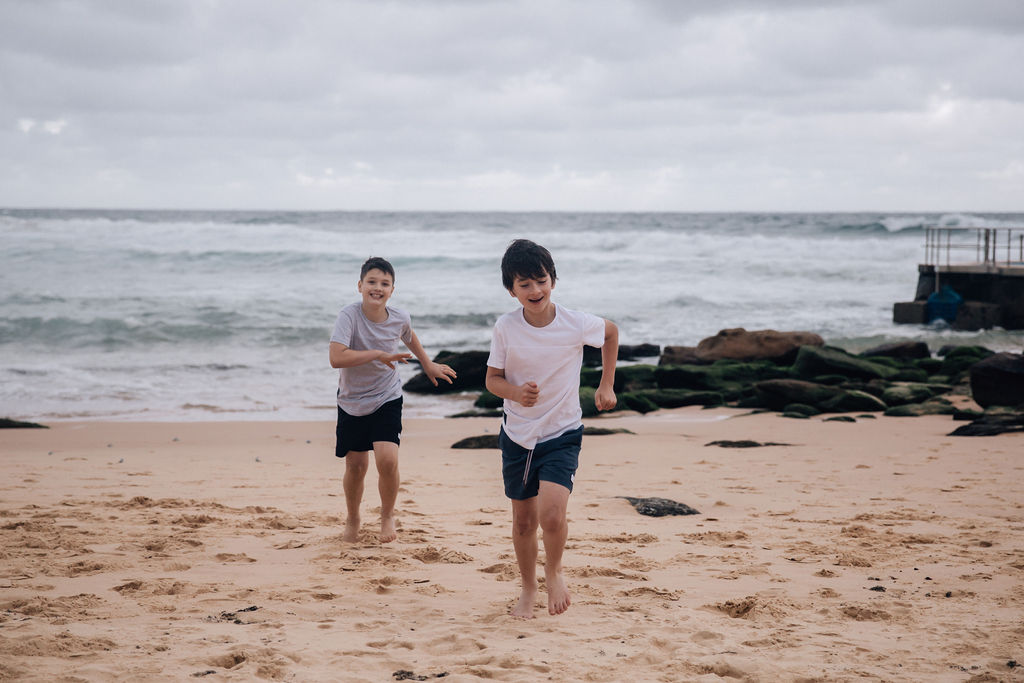
Why neutrality matters
Remaining neutral does not mean ignoring conflict or allowing children to hurt each other. Safety always comes first, and parents absolutely need to step in when behaviour becomes unsafe or intentionally harmful.
Neutrality simply means that instead of deciding who is right and who is wrong, we offer empathy first.
“I can see things went off track here.”
This in itself helps kids feel seen and heard. And this is the only place from which real change can begin. When children feel understood, they are far more likely to listen when we talk about better ways to handle the problem next time.
This is how patterns of fighting in families begin to shift.
When parents pick sides, even when it appears that one child clearly started the problem, several things often happen.
One child feels blamed and this often creates a shame reaction. Our child may also feel misunderstood because we didn’t get to understand the “why” behind what they did. This can lead to feelings of anger and powerlessness which, unsurprisingly, may get taken out on the sibling they already got in trouble for upsetting.
The child who made the mistake may also feel labelled as the “bad one”, which can trigger shame rather than learning.
The other child learns that the goal of the argument is to recruit the parent rather than solve the problem. This reinforces patterns where this child may inadvertently also miss the opportunity to build skills around reading social cues and navigating conflict.
When parents remain neutral, something different becomes possible.
Kids feel heard. They learn that our job is not to punish or solve the problem for them, but to help them build skills. And this is what actually allows them to learn how to fight well.
Because the real goal is not stopping fighting. The goal is helping kids learn how to manage conflict in a more social way without hitting, hurting or name calling.
Why it takes two to tango
Conflict between siblings is rarely as simple as a single moment. One child may appear to be the protagonist, but another child may have played a role earlier in the interaction.
The reality is that the skills of getting along with others, negotiating, turn taking and frustration tolerance are really hard ones to build. Kids need lots of practice and while it may look like you have one child who always starts it, the reality is that when we look beneath the behaviour we often have a much better chance of shifting sibling dynamics.
Take for example a child with a younger sibling who is always late for school. Maybe the younger sibling needs parents more and often makes the family stressed or late. The older sibling may begin picking on the younger one or acting like a ‘mini parent.’
Anyone who is an actual parent will know how frustrating this can be. It doesn’t help, and we often find ourselves saying “just let me do the parenting, okay?”
But if we step back and get curious, we can begin building skills.
We might say to our older child:
“You know, if I was an older kid in this family and your brother made us late all the time I would find it really frustrating. I would probably want to do what I could to help so I wasn’t late to school. Is that what it’s like for you?”
From here we can step in from a place of mutual understanding and help our child develop other, more prosocial, ways to handle that frustration.
The bigger picture is that our child feels seen and heard.
“You get me. You see how hard this is.” The truth is, all kids are doing the best that they can, and that moment where they feel understood is the moment the skill of tolerating that sibling just got a little bit easier.
Children are also highly motivated to compete for connection with their parents. Sibling conflict is one of the fastest ways to draw adult attention. When parents quickly step in to referee, the argument can unintentionally become a strategy for connection.
Remaining neutral allows parents to step out of this dynamic. Instead of becoming the judge of the argument, they become the guide who helps both children develop the skills they need.
Language that keeps us neutral as Switzerland
One of the most powerful ways parents can remain neutral is through the language they use when stepping into sibling conflict.
Instead of asking who started it, parents can shift the conversation with simple statements that focus on understanding and shared problem solving.
For example:
“This situation isn’t working for either of you.”
This reframes the conflict as a shared problem rather than placing blame on one child.
“I’m curious what each of you hoped would happen here.”
This shifts the focus from blame to understanding each child’s intentions and needs.
“Each of you has something important to say. I’m listening.”
When children feel heard, the urgency to compete for attention often decreases.
“Before we fix it, let’s rewind for a minute and see what happened here.”
Encouraging reflection helps children understand the conflict before jumping straight into solutions.
“I’m not here to pick sides. I’m here to keep everyone safe and help you figure out what went wrong.”
This clearly communicates the parent’s role as guide rather than judge.
Small shifts in language like these can dramatically change the tone of the interaction. Children move from arguing their case to explaining their perspective.
Helping children learn the real skill
The real goal of these moments is not simply to stop the fight. It is to help kids develop the skills that will allow them to navigate relationships for the rest of their lives.
When parents stay neutral and guide the conversation, kids begin practising several important abilities. They learn to explain their feelings. They learn to listen to another person’s perspective. They begin to consider fairness and solutions rather than simply defending themselves.
Perhaps most importantly, they learn how to repair relationships after conflict.
When children feel seen and heard, then (and only then) are they in a position to come back into relationship with their sibling with a deeper understanding of what went wrong and the impact they may have had.
Only then can they genuinely check in and say, “I’m sorry I got that wrong. What can I do to make it right?”
Because the goal of family life is not a silent house without sibling conflict. It is raising children who know how to disagree safety but also to repair when things get off track.
